

John Cassidy was an Irish sculptor and artist whose works have become an integral part of Manchester’s cultural and artistic heritage. Born in 1860 in Slane, County Meath, Ireland, Cassidy’s remarkable talent and ambition led him to Manchester, where he created some of the city’s most iconic public sculptures. His masterpieces reflect not only his artistic genius but also the vibrant culture of Manchester during the late 19th and early 20th centuries. Next on manchesterski.com.
Early Life of John Cassidy
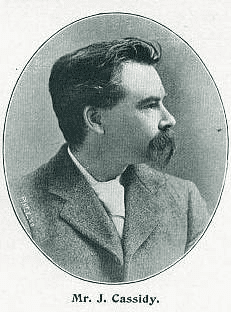
Cassidy hailed from Littlewood Commons, a small village in Ireland, where he spent his childhood immersed in the stunning rural landscapes. These surroundings ignited his passion for drawing and sculpture. At the age of 20, he moved to Dublin in search of better opportunities and higher-paying work. By day, he laboured for a living, while in the evenings, he attended art classes to hone his skills. His dedication to art earned him a scholarship to study in Milan, where he trained for two years.
Eventually, Cassidy relocated to Manchester, a flourishing industrial city and a dynamic cultural hub. He would remain there for the rest of his life, establishing himself as one of the city’s most prominent artists. Alongside his Italian and Irish education, Cassidy also studied at the Manchester School of Art, where he later became an instructor.
Manchester’s Artistic Identity in the Late 19th and Early 20th Century
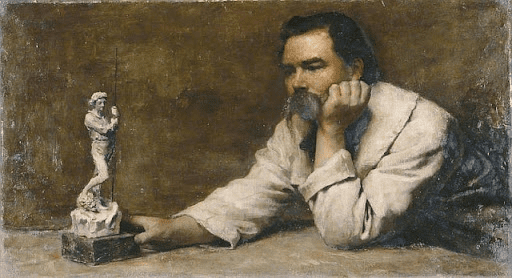
During Cassidy’s time, Manchester experienced a boom in public art commissions, driven by philanthropists and city officials eager to adorn the urban landscape with unique sculptures. For aspiring artists like Cassidy, the city presented an abundance of opportunities to contribute to public projects. With his classical training and a modern perspective on art and architecture, Cassidy found an ideal environment to flourish.
Cassidy quickly became a key figure in Manchester’s vibrant artistic community. Commissions for public monuments and memorials poured in, and many of his works remain significant landmarks in Manchester to this day.
Famous Works of John Cassidy in Manchester
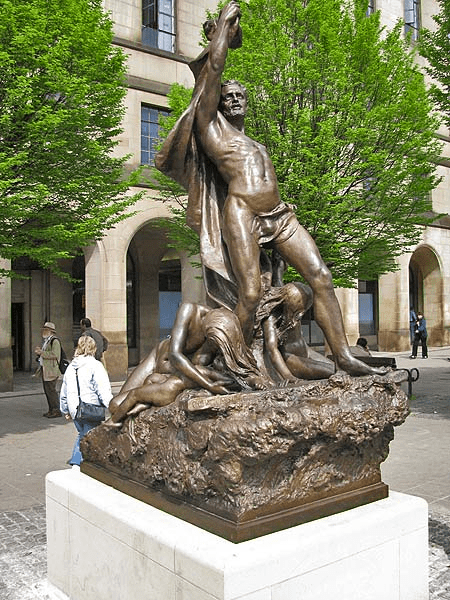
Some of Cassidy’s most renowned creations are scattered across Manchester, showcasing his extraordinary skill and artistic vision.
One of Cassidy’s most notable works is “Adrift,” installed in 1907. This emotionally evocative sculpture depicts a family clinging to a raft in a stormy sea, struggling to survive. The monument serves as a memorial to those lost at sea. Cassidy’s mastery of emotional depth and technical skill is evident in this piece, with its fluid lines conveying movement and the desperate fight for survival. It was one of Cassidy’s personal favourites.
In addition to large public monuments, Cassidy was celebrated for creating small portrait busts of prominent figures, including political leaders, scientists, and philanthropists. His precise technique and attention to detail earned him a reputation as one of the region’s finest portrait sculptors.
Among the works by Cassidy still visible in Manchester are:
- John Kay Memorial
- Jubilee Fountain on Albert Square
- Statue of Edward VII
- Statues of Enriqueta Rylands and John Rylands at the John Rylands Library
These works highlight Cassidy’s contributions to Manchester’s architectural and cultural landscape.
Cassidy was deeply committed to Manchester’s artistic scene, becoming an active member of the Manchester Art Gallery community. He collaborated with other artists and participated in exhibitions, shaping the city’s creative landscape. His works reflect the industrial heritage of Manchester, embodying the spirit of the era in which he lived.
His artistic style was heavily influenced by classical traditions from his early education in Milan. Yet, Cassidy’s sculptures captured the industrial vibrancy of Manchester during its economic boom. The emotional depth and realism in his work made it relatable and captivating for ordinary people.
Cassidy spent his final years in Fallowfield, South Manchester. His later life was marked by health struggles, but his passion for sculpture never waned. Even as his condition deteriorated, Cassidy continued to create. One of his last works was a bust of Pope Pius XII.
John Cassidy passed away in 1939, at the age of 79. He left behind a legacy of artistic brilliance that continues to shape Manchester’s cultural identity. His works remain a testament to his talent and dedication, ensuring that his contributions to the city will be remembered for generations to come.