

Anthony Burgess is one of the most celebrated and versatile writers of the 20th century, not just in the UK but globally. He gained widespread recognition for his dystopian novel A Clockwork Orange, which was adapted into a controversial film by Stanley Kubrick in the 1970s. According to Burgess, it was Kubrick’s film that significantly popularized the novel. In addition to A Clockwork Orange, Burgess authored numerous other notable works, including the Enderby quartet and Earthly Powers, which garnered equal acclaim. This article explores the life and creative journey of Anthony Burgess. Read on at manchesterski.com.
Early Years of the Writer
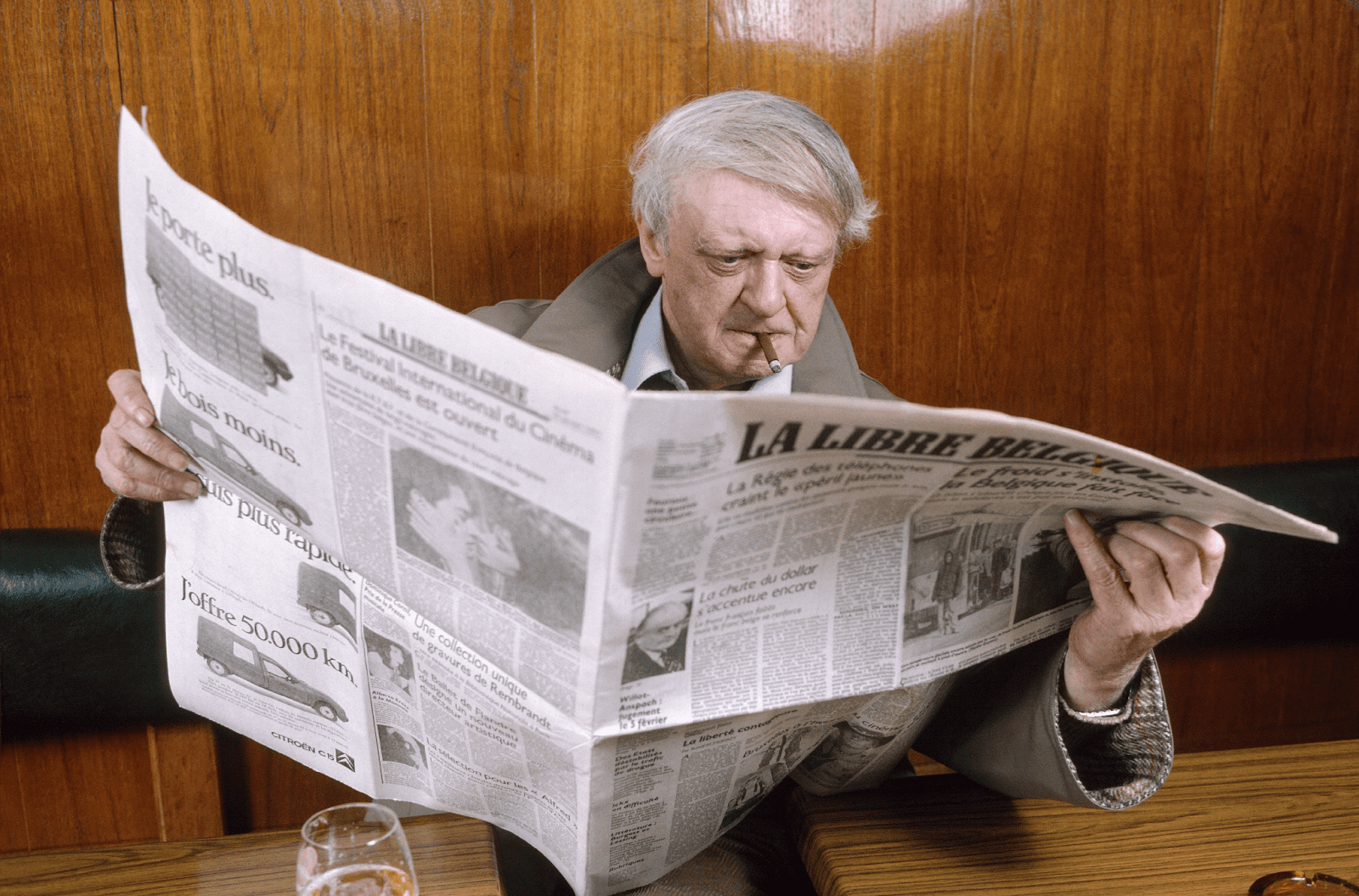
Anthony Burgess was born John Anthony Burgess Wilson in Manchester in 1917.
His childhood unfolded on Carisbrook Street in Harpurhey, a suburb of Manchester, where he was raised in a Catholic family. Burgess often described himself as belonging to the lower middle class and grew up during the challenging years of the Great Depression.
As a child, he was initially referred to as Jack, Little Jack, or Johnny Eagle. After his confirmation, the name Anthony was added, making him John Anthony Burgess Wilson. When he began writing novels, he adopted Anthony Burgess as his pen name.
Burgess experienced profound personal loss at an early age, as his mother and sister succumbed to the 1918 influenza pandemic. Left without a mother, he was raised by his father, a bookkeeper by day and a piano player at a local pub by night. His father later remarried the landlady of the pub, who took over his upbringing.
Despite financial struggles, Burgess’s father and stepmother owned a tobacconist and off-license, which were profitable ventures. Young Anthony often helped in the family store. Even before starting school, he had taught himself to read, distinguishing himself from his peers. This academic promise earned him a place at Xaverian College.
Discovering a Passion for Music and Writing
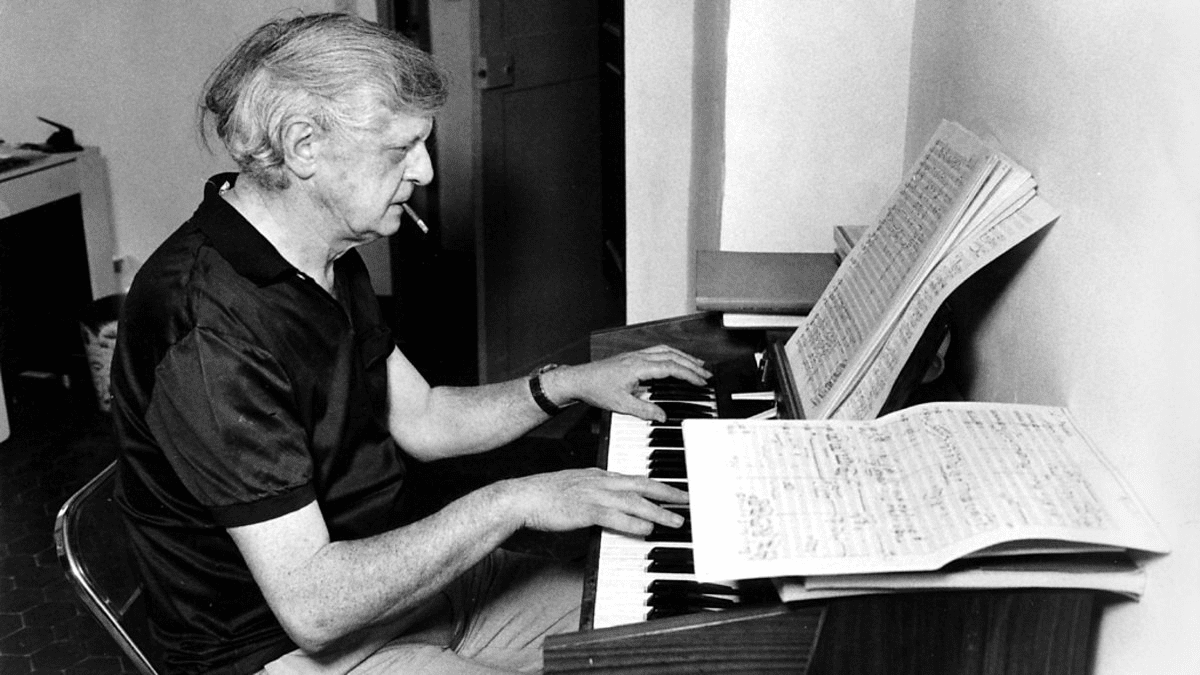
Initially indifferent to music and writing, Burgess was profoundly moved upon hearing Prelude to the Afternoon of a Faun by Claude Debussy on the radio. He described the piece as “winding, exotic, and erotic,” a moment that sparked his desire to become a composer. However, his family dismissed his aspirations, arguing that it would not provide financial security.
Undeterred, Burgess taught himself piano and hoped to study music at Victoria University in Manchester. However, he was rejected due to poor grades in physics and instead pursued English literature.
His service in the British Army during World War II, particularly in Gibraltar, played a pivotal role in shaping his worldview. Witnessing the horrors of war deeply influenced his creative outlook, and themes of violence, authoritarianism, and human fragility frequently appeared in his works.
“A Clockwork Orange” and Its Impact on Global Literature
Published in 1962, A Clockwork Orange remains Burgess’s most iconic work. Set in a dystopian future, the novel follows Alex, a teenager who engages in extreme violence. The protagonist speaks a unique slang called “Nadsat,” a blend of Russian, English, and Cockney. This inventive use of language showcases Burgess’s linguistic genius, creating a world that feels both familiar and alien.
The novel delves into profound ethical dilemmas about free will, morality, and the role of the state in regulating behavior. Burgess famously argued that the central theme was whether it is better for a person to choose evil voluntarily than to be forced into goodness by the state. In the story, the government “cures” Alex of his violent tendencies through psychological conditioning, stripping him of his ability to make choices.
Though the novel initially had modest success, it became a global phenomenon after Stanley Kubrick’s 1971 film adaptation.
Anthony Burgess was an incredibly productive writer, authoring over 30 novels, multiple volumes of memoirs, critical works, and even musical compositions. His works often explored themes of morality, politics, and human nature, employing humor and satire as his primary tools.
Some of his other notable works include Earthly Powers and the Malayan Trilogy, which consists of Time for a Tiger, The Enemy in the Blanket, and Beds in the East.
Burgess’s legacy as a linguist, composer, and literary genius has cemented his place as one of the most influential figures in 20th-century literature.