

It’s no secret that in the 20th century, Manchester gradually transformed from Great Britain’s industrial centre into a scientific and cultural hub. A genuine revolution in culture and music at that time was sparked by “Factory Records” – a record label, design studio, and nightclub that became a real highlight of the city. Founded in 1978 by Tony Wilson and Alan Erasmus, along with manager Rob Gretton and producer Martin Hannett, “Factory Records” became the foundation for the idea that music could be art, business could be poetry, and Manchester could be at the centre of a new musical era. More at manchesterski.com.
Historical Origins: The “Factory” Club
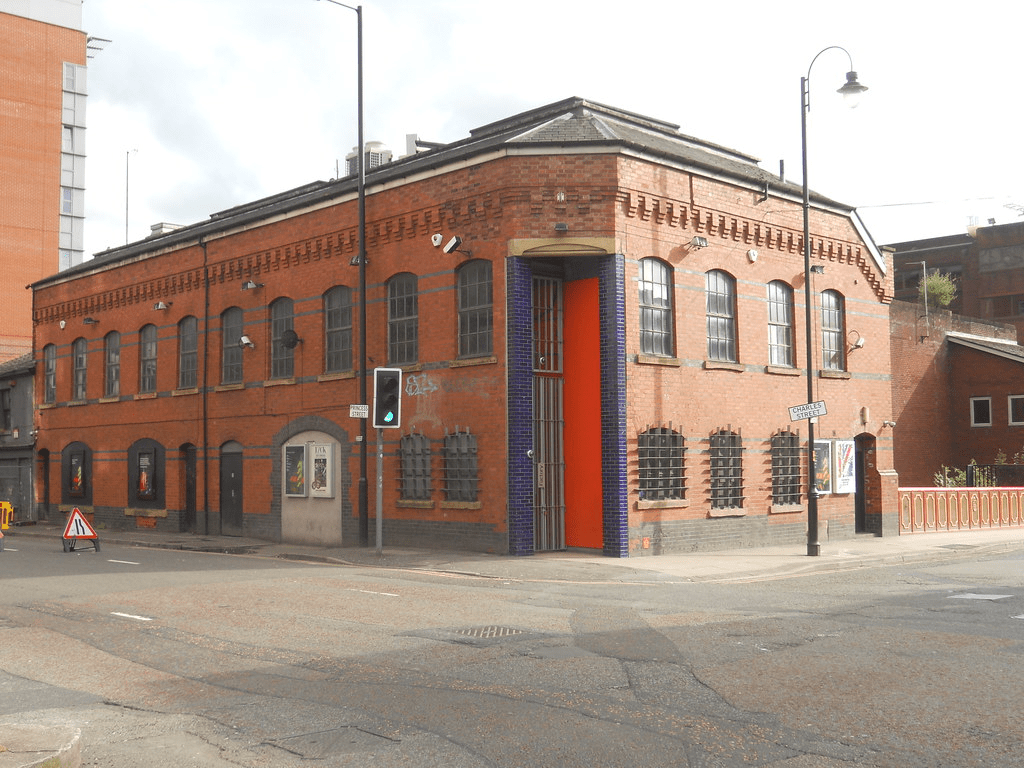
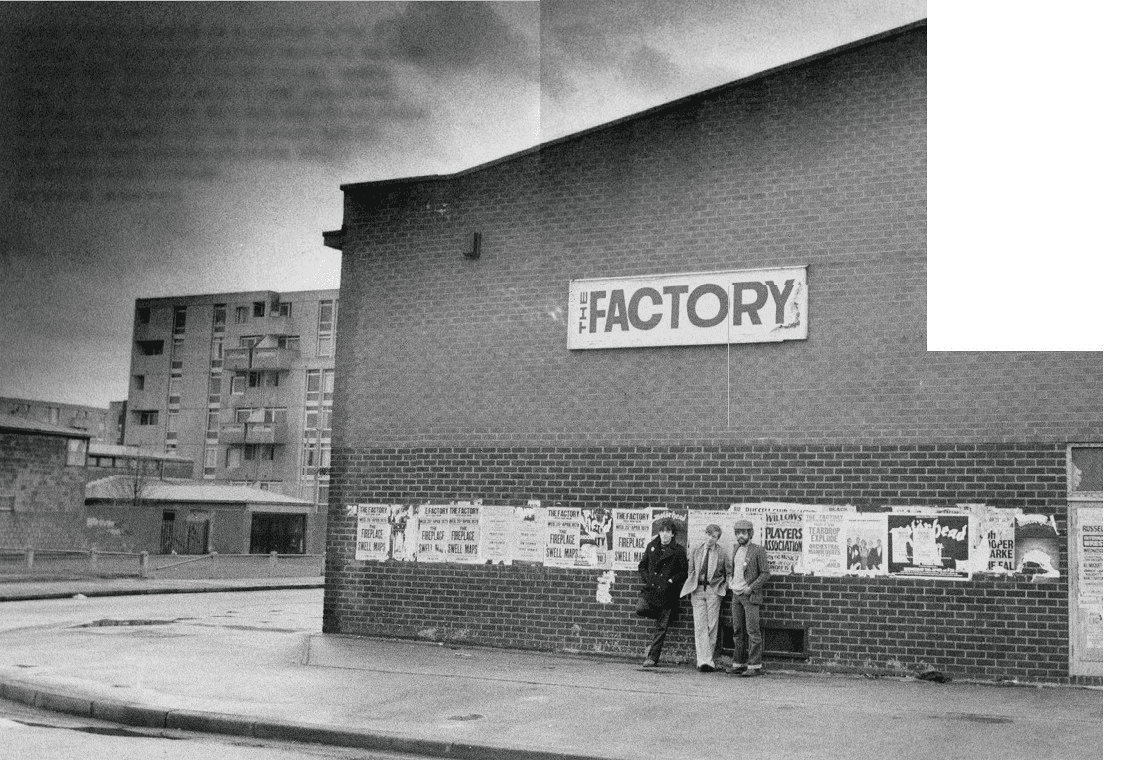
The name “Factory” first appeared in 1978. It was then that the “Russell Club” hosted the first themed night under this brand. The club quickly became a cult venue in Manchester. It was known by various names: “Caribbean Club”, “PSV Club”, and later – simply “The Factory”.
The idea came from Alan Erasmus and Tony Wilson, with support from promoter Alan Wise. They transformed the club into a real platform for the new wave of music – post-punk and avant-garde. Both local bands like “Durutti Column” and “Joy Division” performed here, as well as visiting acts – “Cabaret Voltaire” from Sheffield and others.
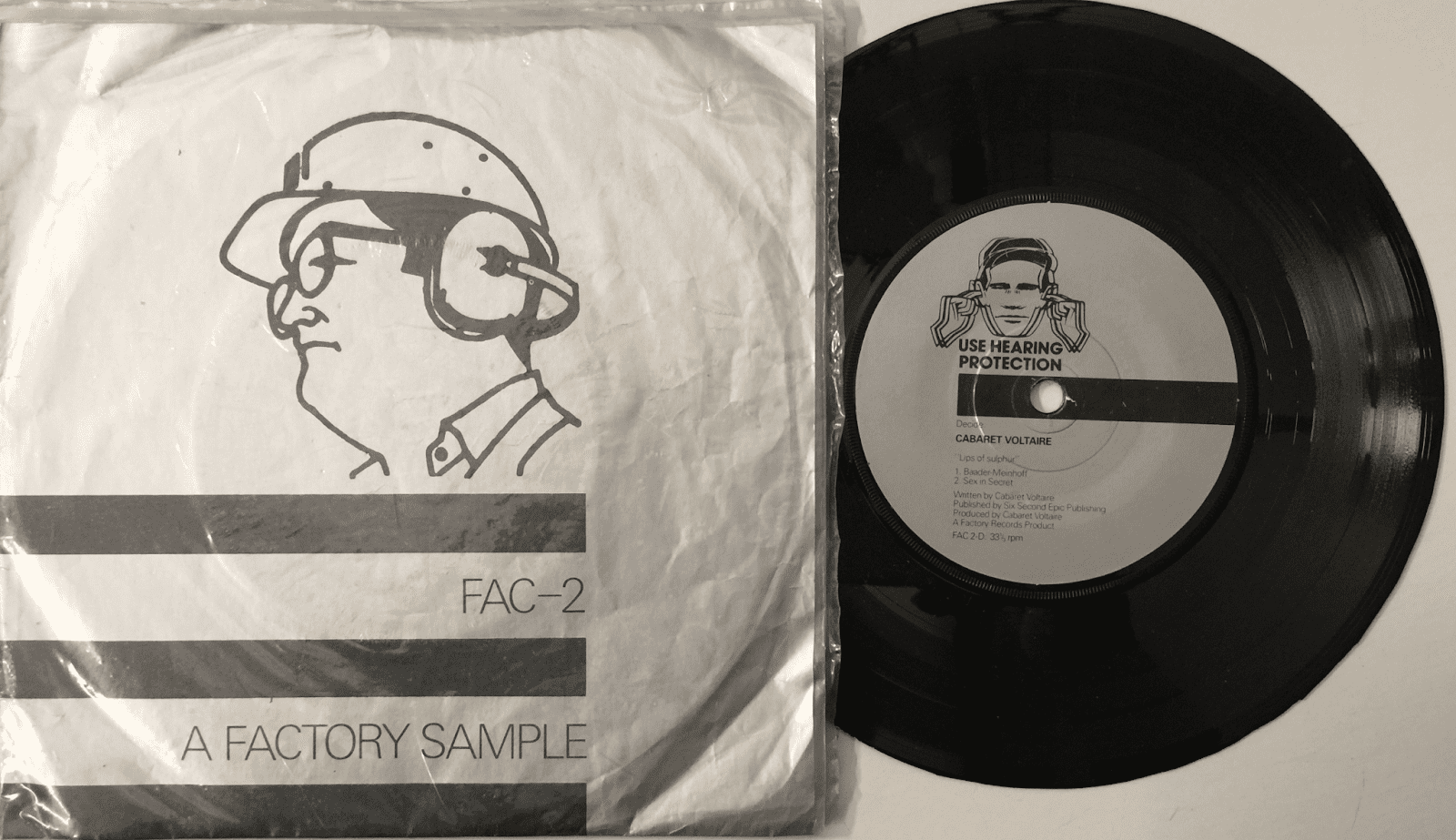
The club’s promotion was designed by Peter Saville, and just a few months later, the label’s first release came out – the “A Factory Sample” compilation, featuring tracks from artists who performed at the club.
“The Factory” club existed until 2001, when the building was demolished. It was located at the intersection of Royce Road and Clayburn Street, on the site of the former “Hulme Crescents” complex. And so began the story that changed the face of Manchester music.
The Recording Wave
The late 1970s were a turning point for Manchester’s music scene. In 1978, Tony Wilson, inspired by the success of the punk label “Rabid Records”, founded “Factory Records” along with Rob Gretton, Alan Erasmus, and producer Martin Hannett. Their goal was simple: to create music without pressure from labels or the dictatorship of sales.
The office was located in an ordinary flat on Palatine Road. It was here, in 1978, that the debut “EP A Factory Sample” was released, featuring tracks by local artists. And by 1979, the world heard *Unknown Pleasures* – the first album by “Joy Division”, recorded by “Factory Records”, which became a classic.
After the tragic death of vocalist Ian Curtis in 1980, the remaining members of “Joy Division” transformed into “New Order”. “Factory Communications Ltd” was born, and so began an era that became a symbol of Manchester’s cultural revolution.
In 1982, the “Factory Records” label itself, together with the band “New Order” and designer Ben Kelly, opened the “Haçienda” nightclub. The club received the catalogue number FAC 51 – following the label’s signature numbering system. This wasn’t just a club – it was a centre of freedom, self-expression, underground culture, and aesthetics. The interior, the posters, the style – everything was thought out to the last detail.
The space was conceived as a platform for a new sound, a new generation. But, despite its success in terms of cultural impact, the “Haçienda” turned out to be a financial disaster. Entry cost pennies, people barely bought alcohol, and the rent and concerts were expensive. The club became the flagship of the Madchester scene, a place where bands like “Happy Mondays”, “The Stone Roses” and the entire acid house wave took off. But the paradox was that the Haçienda’s success undermined the label’s own financial stability. Therefore, it could be said that the “Haçienda” was both the crown jewel and the coffin of “Factory Records”.
“Factory Records” built the “Haçienda”, and the “Haçienda” created the atmosphere in which the label’s sound became immortal. Their union was brilliant from a cultural standpoint, but destructive in a financial sense.
For example, in 1983, “New Order” released “Blue Monday” – a single that became an international hit but paradoxically made no profit due to its expensive, signature sleeve. Nevertheless, the band, like “Happy Mondays”, brought the label popularity and funds to develop other projects.
Over time, “Factory Records” became not just a label, but a cultural phenomenon in Manchester and across Great Britain. With their independent approach, experiments, and aesthetics, they set the trends for an entire era. Music, style, nightlife – all of this intertwined to form the unique cultural identity of 1980s Manchester.
More Than a Label – A Music Philosophy
“Factory Records” was rebellious at its core. The uniqueness of “Factory Records” lay not only in its music but also in its philosophy, design, and approach to artists. “Factory Records” allowed musicians complete creative freedom. Bands could record what they wanted, without pressure for commercial success. This helped “Joy Division”, “New Order”, “Happy Mondays”, and others to flourish.
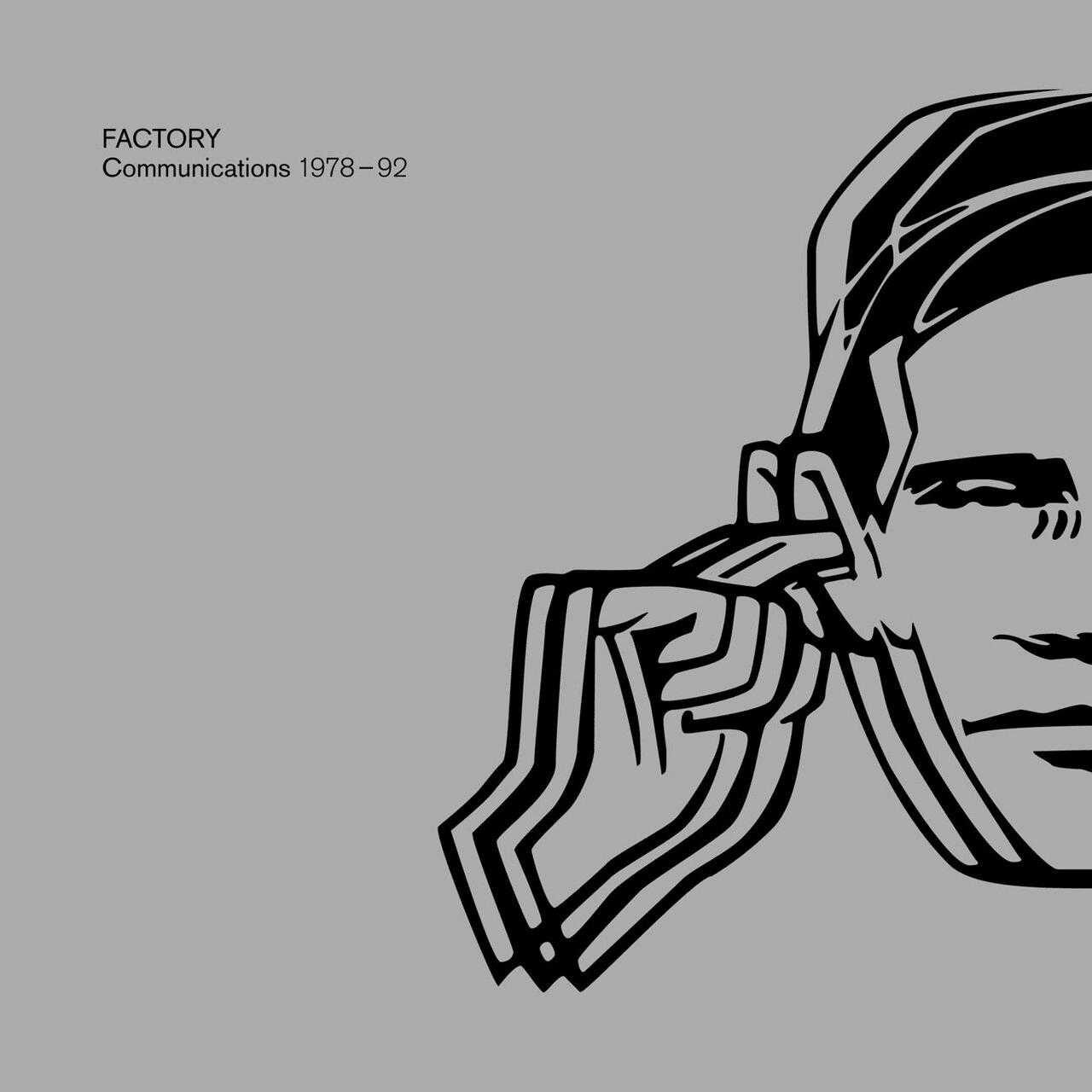
Every release was a work of art. Peter Saville created iconic covers, often more expensive than the vinyl itself. Even the release numbers – FAC 51, FAC 73, and the like – were assigned to everything, from albums to the furniture in the club.
And the “Haçienda” nightclub, soon opened by “Factory” and “New Order”, became a symbol of British club culture. It was the heart of the Madchester scene, where post-punk, techno, and rave merged into one.
Furthermore, “Factory Records” didn’t sign contracts. The musicians were “their own”, without formalities. This approach was risky, but it reflected the spirit of freedom and trust characteristic of Manchester. Because of this, the label often lost money on expensive covers, on loss-making parties, and on the cheap bar at the Haçienda. But this was the philosophy: “art is more important than profit”.
“Factory Records” became a reflection of the Manchester identity – gloomy, honest, stubborn, with a hint of irony and rebellion against the centralised London mainstream.
What Happened to “Factory Records”?
Due to constant unprofitability, “Factory Records” closed down in 1992. This event became the symbolic end of one of the most iconic musical eras in Manchester’s history. And, notably, of the entire independent label movement in Great Britain.
The fact that “Factory Records” purposefully did not sign legal contracts with its artists – which was part of its philosophy of freedom – played a fatal role: at the moment of crisis, the label didn’t even own the rights to its most successful band, “New Order”.
Furthermore, despite its cult status, the “Haçienda” was losing enormous amounts of money. Low prices, drugs instead of alcohol, and costs for maintenance and performances – all this turned the club into a financial black hole for “Factory Records”.
The expensive packaging also led to the collapse of “Factory Records”. Aesthetics were more important to them than profit. As a result, this romanticism could not withstand the harsh realities of the music industry market.
And, of course, many projects turned out to be failures or too niche. The decline of the Madchester scene in the early 1990s also significantly contributed to the closure of “Factory Records”.
Of course, there were repeated attempts to revive the label in the 1990s. Negotiations were held with “Warner Music”, but the deal fell through when it became clear that the label did not own the rights to “New Order’s” music. Without its main asset, the label held no value for an investor.
The closure of “Factory Records” wasn’t just the end of a company; it was the end of an entire era of recording. The label became a legend in its own lifetime, and its closure – a lesson for future independent brands: freedom is cool, but without a balance with business, it cannot survive.