

The United Kingdom boasts a rich musical heritage, having given rise to world-renowned bands such as The Beatles, The Rolling Stones, Pink Floyd, Queen, Led Zeppelin, Black Sabbath, and Deep Purple. Among these legends stands Manchester’s very own rock band, Oasis. One of the most iconic and influential bands of their generation, Oasis played a pivotal role in defining British music in the 1990s. Next on manchesterski.com.
The Formation of the Manchester Rock Band
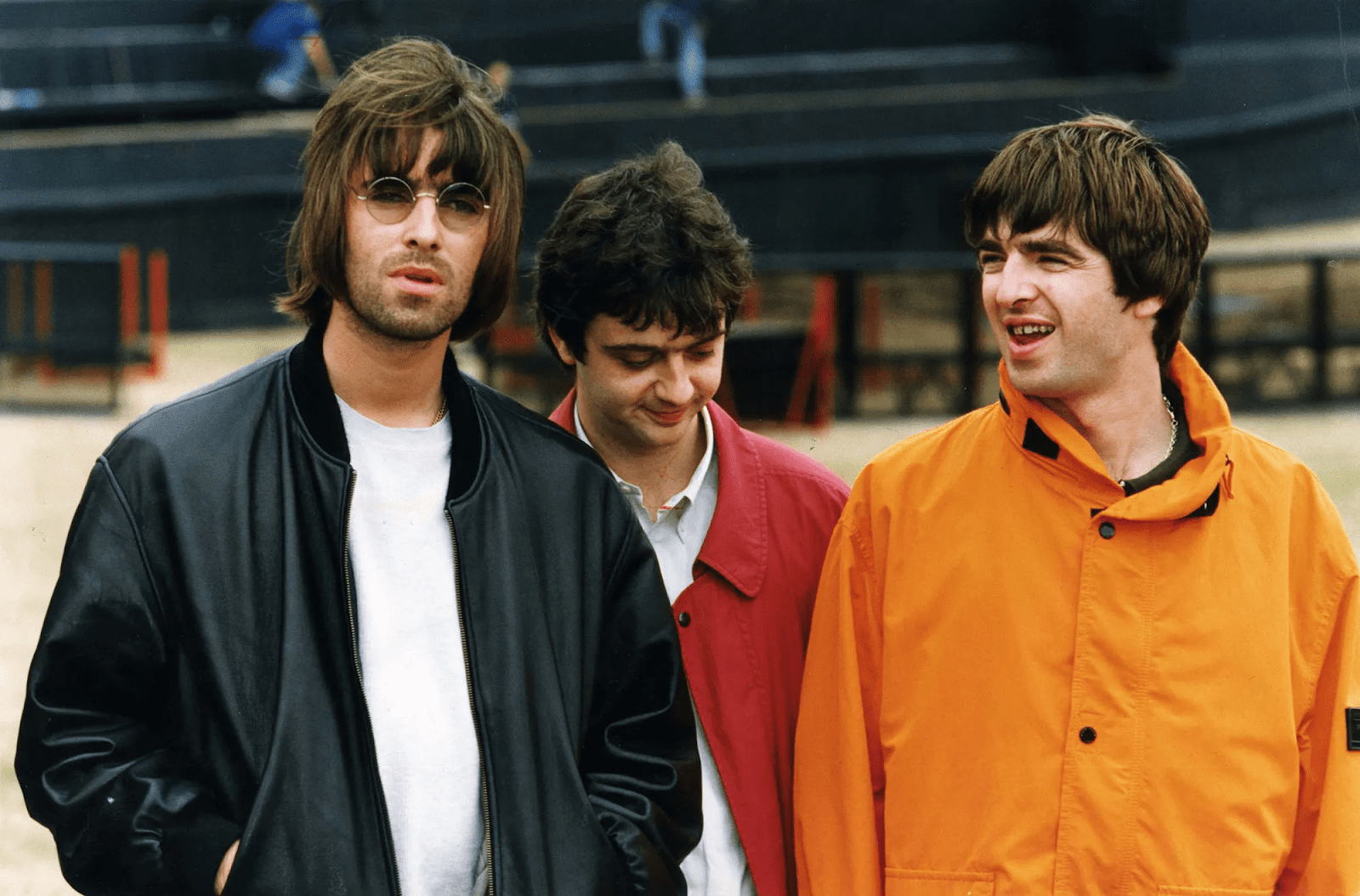
The roots of Oasis trace back to the early 1990s. In 1991, four ambitious musicians from Manchester—bassist Paul McGuigan, guitarist Paul Arthurs, drummer Tony McCarroll, and vocalist Chris Hutton—came together to form a band initially named The Rain.
However, dissatisfaction with Hutton’s vocal performance led the band to replace him with a new vocalist, Liam Gallagher. It was Liam who proposed the name Oasis, inspired by a poster of the Oasis Leisure Centre in Swindon that hung in his brother Noel Gallagher’s room. Not long after, the band played their first gig at Manchester’s Boardwalk club. Despite this early achievement, the members were critical of their own work, believing their melodies and songs were not particularly original.
Noel Gallagher, Liam’s brother, recognized the band’s potential and proposed joining them under one condition: he would become the band’s sole songwriter and leader, while the others would commit to pursuing commercial success.
During its formative year, Oasis primarily played a limited repertoire of songs. Noel’s influence brought a disciplined approach, introducing new ideas, melodies, and a distinct musical style. The band’s simplistic approach—barre chords, straightforward basslines, fundamental rhythms, and distortion for flair—helped them craft unique sounds and laid the groundwork for their remarkable success.
Breakthrough and Hit Songs
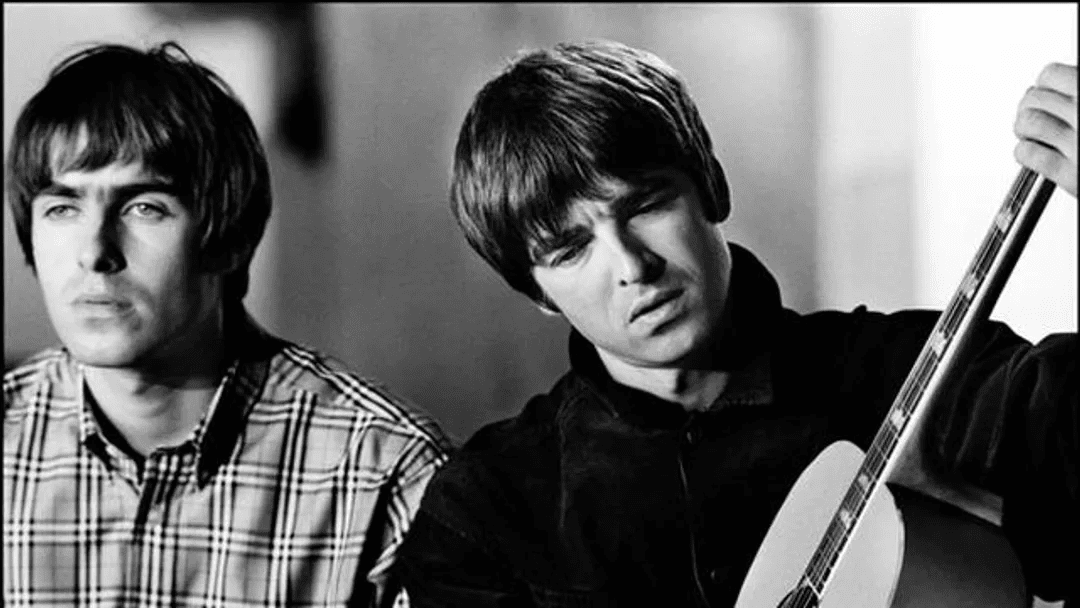
In 1994, Oasis released their debut album, Definitely Maybe, which became an instant classic of British rock. Featuring hits like Rock ‘n’ Roll Star, Live Forever, and Cigarettes & Alcohol, the album catapulted the band to fame. It entered the UK Albums Chart at number one within a week of release and became the fastest-selling debut album in UK history at the time.
Their next album, (What’s the Story) Morning Glory?, released in 1995, propelled the band to global stardom. It included chart-topping anthems such as Wonderwall, Don’t Look Back in Anger, and Champagne Supernova. The album became one of the best-selling records of all time, solidifying Oasis as icons of the Britpop movement and international rock stars.
Why “Oasis” Became Legends
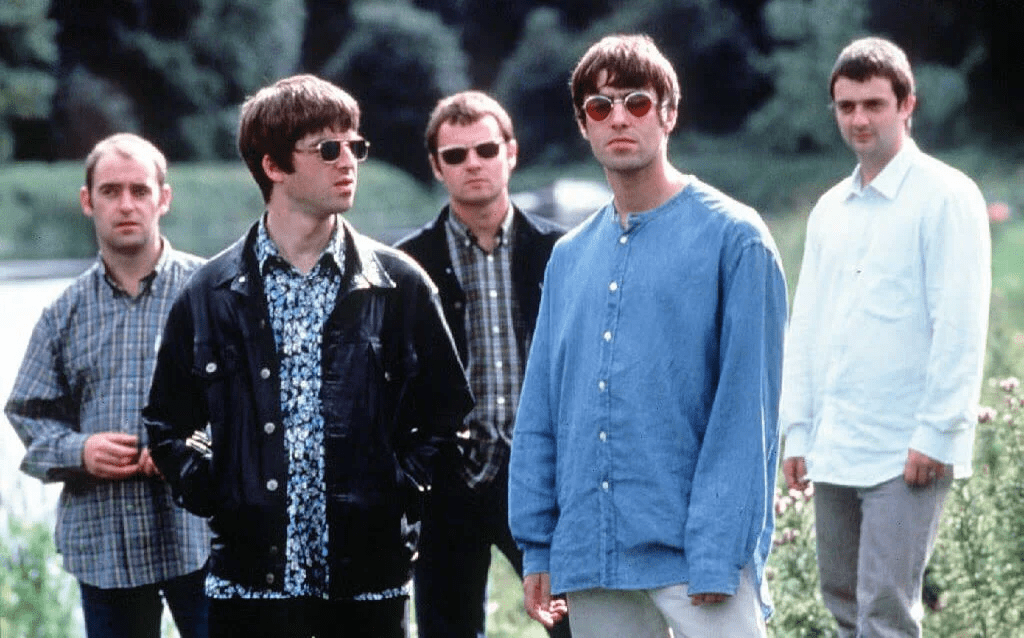
Oasis played a significant role in shaping Britpop and the rock scene of the 1990s. Their music stood out for its melodic simplicity and relatable themes, which resonated with listeners worldwide.
- Britpop Icons
The band’s melodic tracks defined the Britpop era. Songs like Wonderwall, Don’t Look Back in Anger, and Champagne Supernova became timeless classics, known for their catchy, memorable melodies. - Liam Gallagher’s Vocals
Liam Gallagher’s nasal, defiant voice added a raw, rebellious edge to the band’s music, enhancing their appeal. His vocal style became a defining feature of Oasis‘s sound. - Rock Inspirations
Drawing inspiration from iconic British bands like The Beatles and The Rolling Stones, Oasis incorporated rock influences into their music. Their energetic rhythms and up-tempo tracks reflected the spirit of their predecessors while establishing their own unique identity. - Youthful Relevance
The band’s lyrics explored themes of love, rebellion, and everyday struggles, resonating deeply with the youth of the 1990s. Their music became a cultural touchstone for a generation.
What Happened to the Manchester Legends?
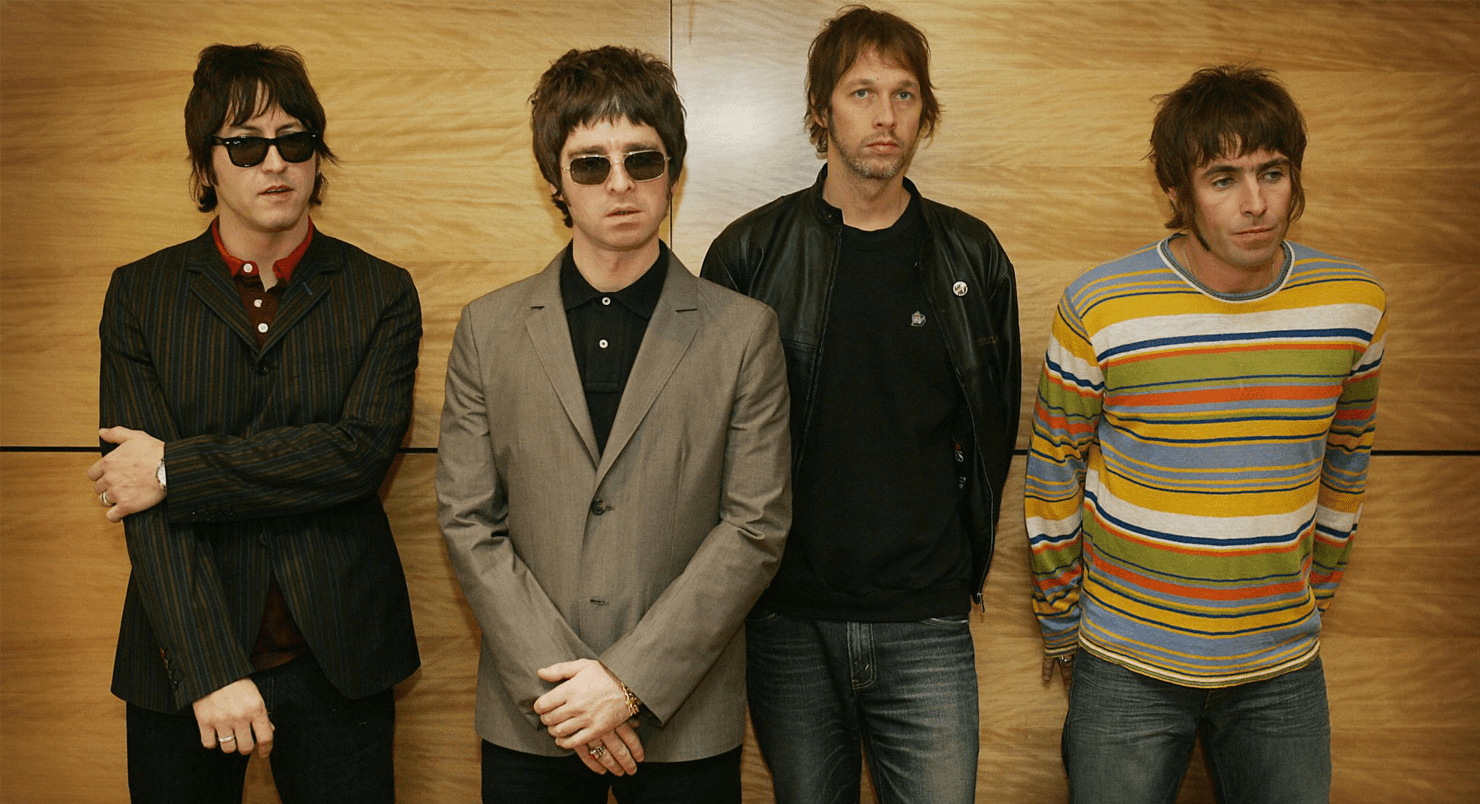
Despite their immense success, tensions among the band members began to surface in the early 2000s. These conflicts ultimately led to the band’s split in 2009.
Even though Oasis disbanded, their music continues to captivate audiences. In the 2020s, new generations of fans are discovering their timeless tracks, ensuring the legacy of Oasis endures. Their influence on rock and Britpop remains profound, securing their place as legends in the annals of music history.