

A century ago, people couldn’t openly talk about their sexual orientation or love for someone of the same sex. In England, such conversations were socially unacceptable. It took decades of struggle before sexual minorities gained recognition and rights in society. Today, in the 21st century, lesbians, gays, bisexuals, transgender individuals, and people of other non-heteronormative orientations play a vital role in society. In modern England and Manchester, acknowledging the importance of sexual minorities fosters the development of a more inclusive, diverse, and equitable community. A key aspect of this recognition involves establishing organisations and events in support of the LGBTQ+ community, notably the Pride Festival. More details on manchesterski.com.
The Development of the LGBTQ+ Movement in Manchester
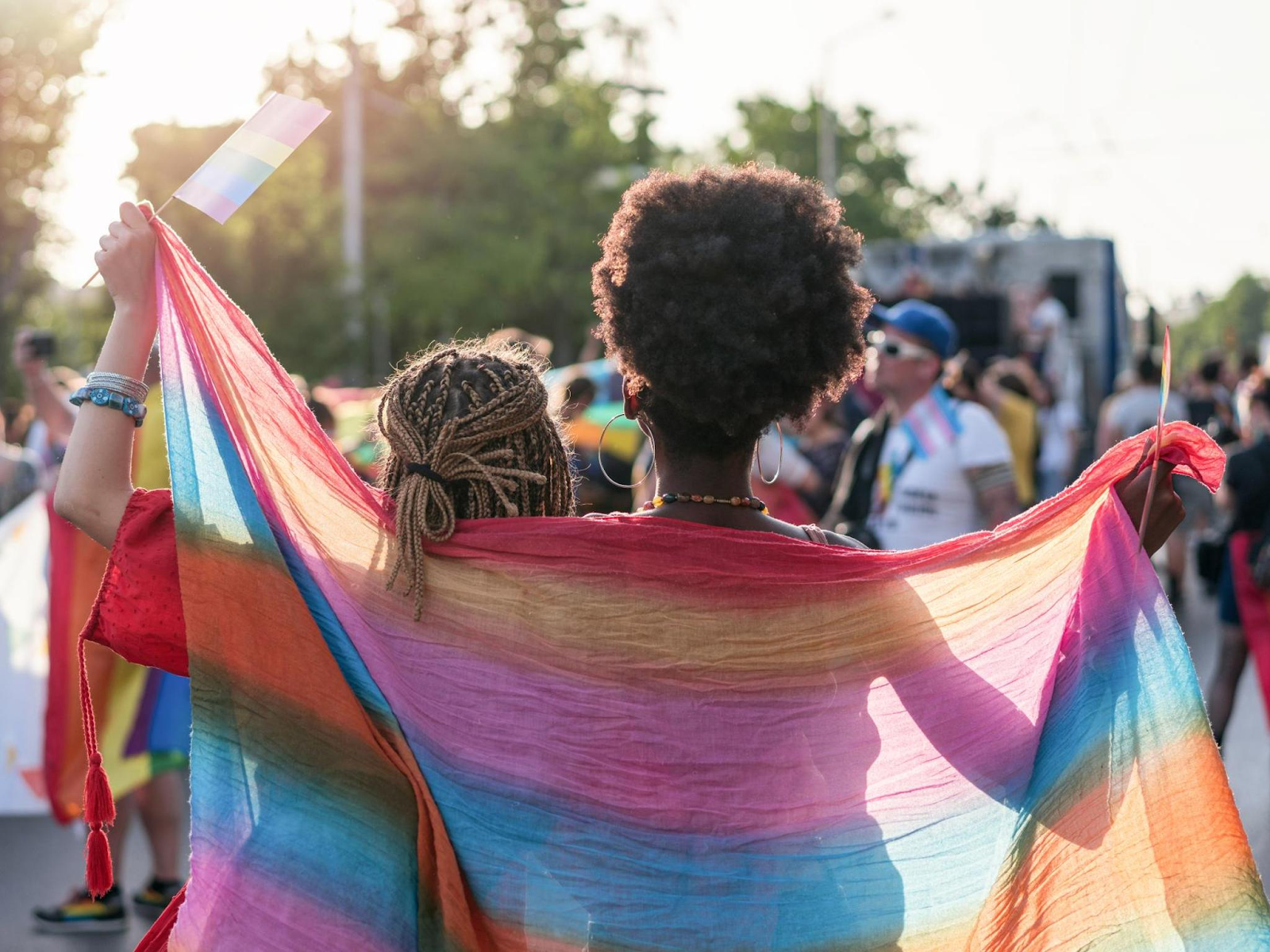
The active fight for LGBTQ+ rights in Manchester began in the latter half of the 20th century. Recognition by the government of the importance of sexual minorities was crucial for advancing human rights and promoting equality. By the 1980s, Manchester’s LGBTQ+ community began advocating for equal rights and legislative protection. At that time, promoting LGBTQ+ rights played a critical role in broader human rights movements, combating discrimination, and advocating for social justice.
One of the initial steps in advancing LGBTQ+ rights was the establishment of the Manchester Pride charity organisation and the Pride Festival.
The History of the Manchester Pride Festival
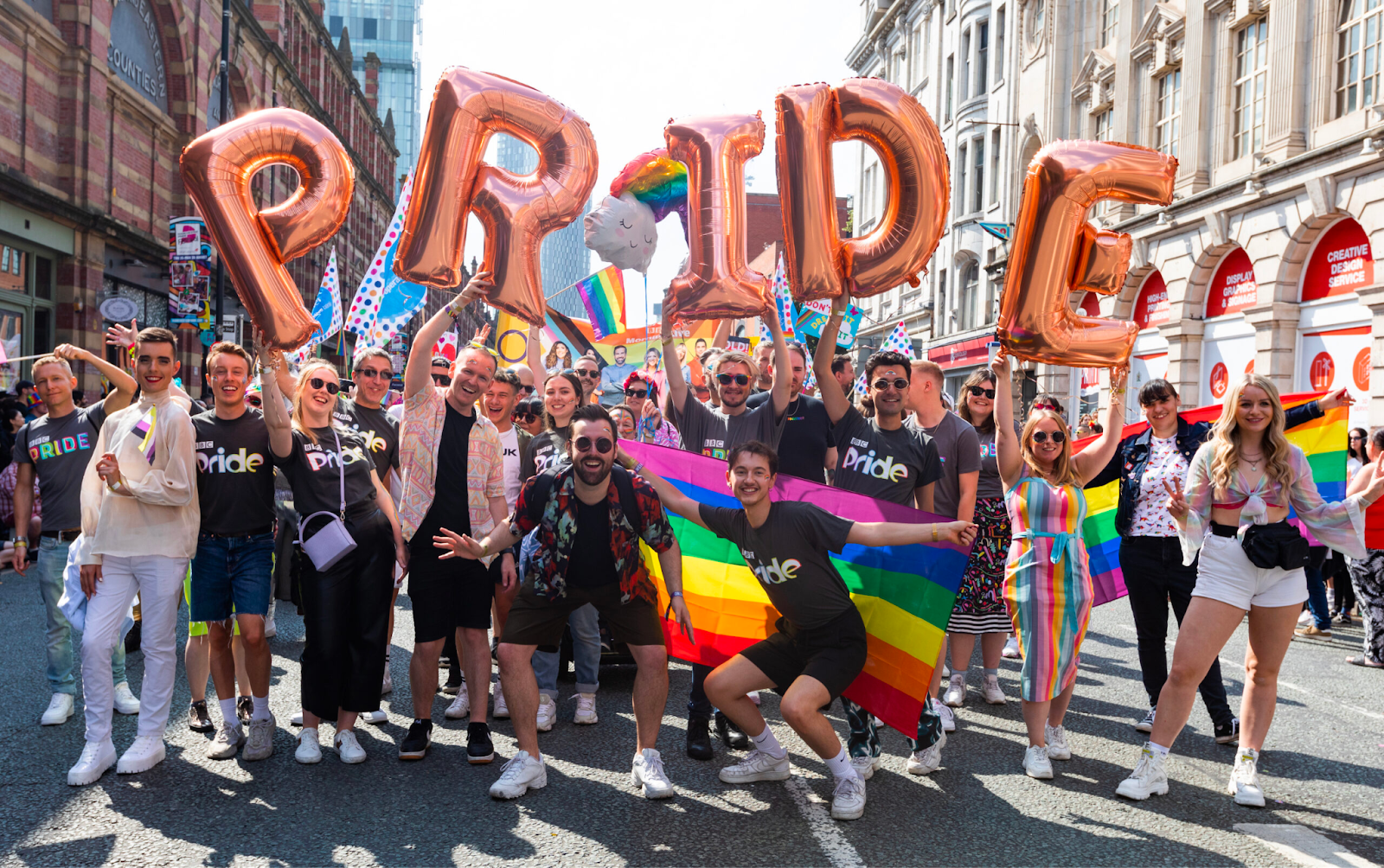
The Pride Festival is an annual city event, traditionally held since August 1985.
The tradition of hosting a Pride Festival in Manchester would not have been possible without the support of newly elected Labour Party councillors in 1984. They not only expressed support for sexual minorities but also appointed an officer for lesbian and gay affairs. By 1986, the Manchester City Council allocated £1,700 for an event on Oxford Street to support the LGBTQ+ community.
Local businesses also supported Manchester’s LGBTQ+ population. In the Gay Village, the lively Canal Street became a central meeting place for gays and lesbians. This area was filled with bars that warmly welcomed everyone regardless of their sexual orientation. In 1986, bar owners joined the local government to support sexual minorities by funding AIDS awareness campaigns in the city. In 1989, they raised funds to equip a ward at Monsall Hospital for HIV/AIDS patients.
By the early 1990s, the number of LGBTQ+ support events in Manchester increased significantly. A charity organisation was established to organise an annual festival known as “Manchester Mardi Gras” or “The Festival of Fun.” Over the decades, the event has grown substantially. In the 21st century, it features a week-long programme promoting and advancing LGBTQ+ rights. Traditional events include a marketplace in Sackville Park and a spectacular fireworks display. The festival became so popular that it attracted visitors from all walks of life. For instance, in 2002, over 100,000 people attended.
The Manchester Pride Festival traditionally takes place in August. LGBTQ+ individuals march through Canal Street, the suburbs, and the city centre. Participants include LGBTQ+ community members, local charities, and representatives from ten boroughs of Greater Manchester.
It’s worth noting that the Manchester Pride Festival was the first of its kind to feature tens of thousands of participants, including police, the military, and the National Health Service. As of 2019, the festival attracted over 170,000 attendees.
Challenges Faced by the Manchester Pride Festival
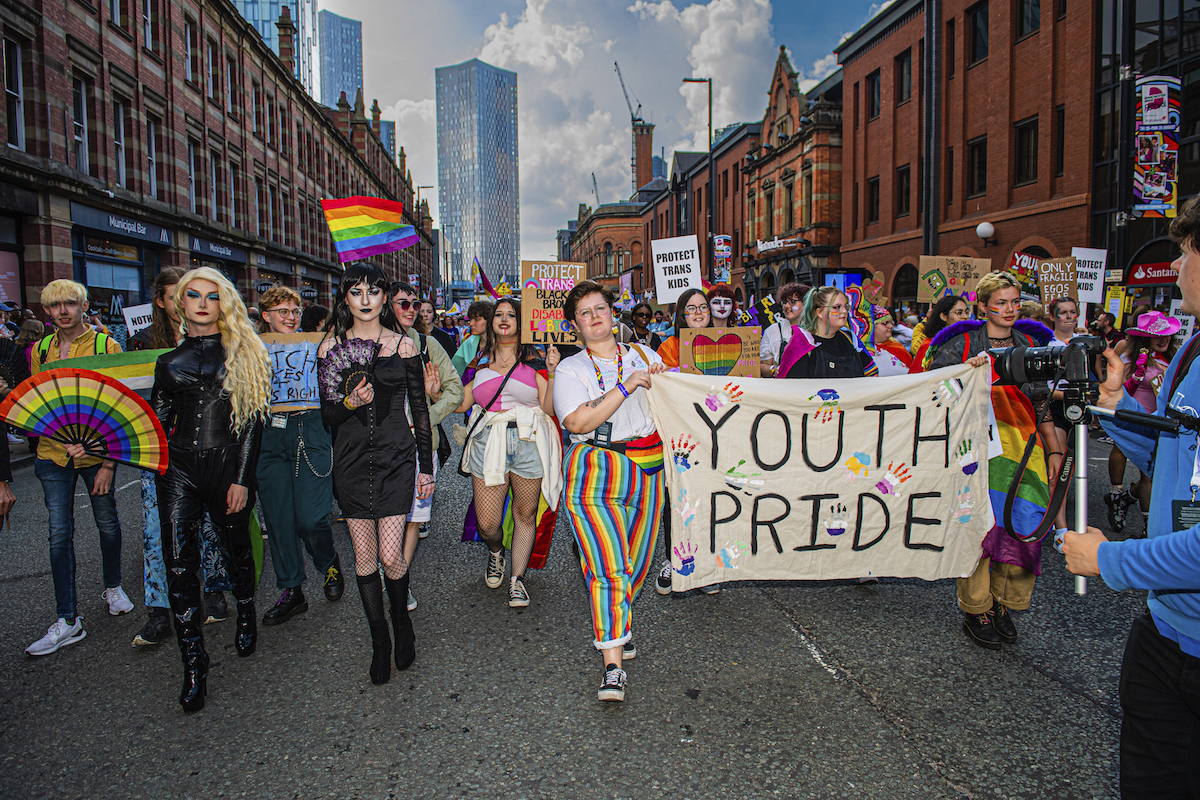
For years, Manchester’s LGBTQ+ community fought for recognition. This was essential for advancing human rights and promoting equality, as everyone deserves equal treatment and legal protection regardless of their sexual orientation or gender identity. Since the 1980s, advocating for LGBTQ+ rights in Manchester has played a crucial role in combating discrimination and social injustice. The Manchester Pride Festival significantly contributed to this movement but has faced challenges over the years.
One notable challenge was the reduction or absence of donations for organising the event. This became especially evident in the 2020s during the COVID-19 pandemic.
Despite these difficulties, public attitudes towards the LGBTQ+ community in Manchester remain positive. Both the authorities and various organisations, along with the city’s residents, actively strive to support them. Schools and universities host educational sessions about sexual minorities to dispel myths and reduce prejudice, fostering mutual understanding. Informed Manchester residents are better equipped to combat discrimination, and raising awareness is a policy and practice aimed at protecting the rights and well-being of sexual minorities.