

Jack Rosenthal was more than just a playwright—he was a true master of his craft. His works reflected the humour, struggles, and warmth of everyday British life. He also skilfully addressed the social issues of his time, making him one of the most renowned British playwrights of the 20th century. His contributions left an indelible mark on television drama and theatre alike. Next on manchesterski.com.
Early Life of Jack Rosenthal
Jack Morris Rosenthal was born in 1931 in Cheetham Hill, a well-known district of Manchester. He was raised in a Jewish immigrant family originally from the Russian Empire.
Rosenthal grew up during difficult times—through the Great Depression, World War II, and the challenging post-war years. He attended the Manchester Jewish School on Derby Street, but when World War II began and Manchester came under German air raids, he was evacuated to Blackpool, Lancashire. Unfortunately, he was placed with a hostile family that was unwelcoming to Jews. They censored his letters and confiscated food parcels sent to him.
Eventually, Rosenthal was reunited with his family in Colne, Lancashire, where he attended Colne Grammar School. Later, he studied English literature at Sheffield University and completed his national service in the Royal Navy as a Russian translator. It was during this period that his writing talent began to emerge. However, his career initially took a different path; he worked as a copywriter in advertising before transitioning into television drama, his true calling.
Jack Rosenthal’s Career
During the 1960s, British television became a dominant medium, and Rosenthal landed a job at Granada Television. There, he started as a scriptwriter for Coronation Street, the long-running soap opera set in Northern England. Known for its focus on working-class life, the show benefitted greatly from Rosenthal’s contributions. He became well-known for his skill in crafting authentic dialogue and compelling characters, honing his ability to create relatable stories.
Rosenthal’s breakthrough as a writer came in 1975 with the broadcast of The Evacuees, an autobiographical drama produced for the BBC. The story centred on two Jewish boys evacuated from Manchester to the countryside during World War II. The play won both a BAFTA Award and an Emmy Award. Combining humour with emotional depth, it demonstrated Rosenthal’s ability to blend light-hearted moments with profound storytelling. The play also marked one of the first televised depictions of Jewish life in Britain, helping to establish Rosenthal as a writer capable of delivering unique and impactful narratives.
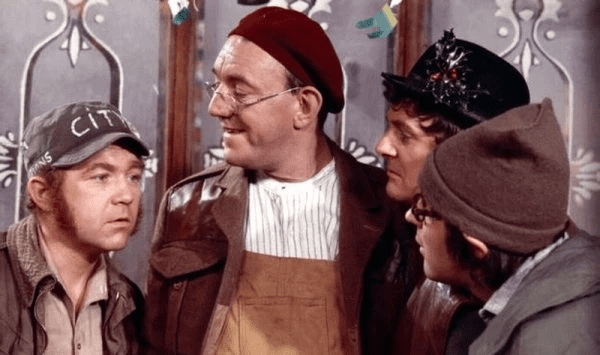
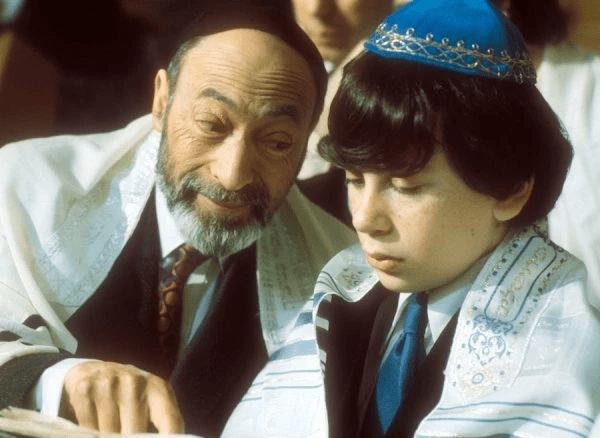
He earned additional BAFTA Awards for Bar Mitzvah Boy and Spend, Spend, Spend. His 1979 film The Knowledge, which focused on London taxi drivers, became a British classic. Another notable achievement was London’s Burning, a 1986 drama created for London Weekend Television. The film’s success led to its adaptation into a long-running television series that aired from 1988 to 2002.
Over the course of his career, Rosenthal wrote approximately 129 episodes of Coronation Street and more than 150 scripts, including original television plays, feature films, and adaptations. His extensive portfolio firmly established him as one of Britain’s most influential playwrights and screenwriters.
Later Years of Jack Rosenthal’s Life
While Rosenthal was best known for his work in television, he also ventured into theatre and film with considerable success. His 1984 film The Chain intertwined several storylines, all linked through a series of house moves across London. The film exemplified Rosenthal’s fascination with how seemingly unrelated lives intersect—an enduring theme throughout his work.
Rosenthal also wrote several notable stage plays, including Smash! (1981), a satirical exploration of the production of West End musicals.
The legendary playwright and screenwriter Jack Rosenthal passed away in 2004, leaving behind a rich legacy. His works continue to be performed, studied, and admired into the 2020s, with many of his television dramas considered classics of British television.
Through his stories, especially those portraying the lives of Jews during World War II, Rosenthal highlighted the struggles often overlooked by mainstream media. He also celebrated the vibrancy of Manchester’s Jewish community. His legacy is not only reflected in the awards and accolades he received but also in the enduring appreciation for his body of work across Britain.