

The Manchester Literary Festival is a vibrant event that celebrates the cultural identity of the city by promoting the written word in all its forms. Since its inception, the festival has been dedicated to fostering creativity, advancing diversity in literature, and ensuring accessibility to literary arts for everyone. Over time, it has evolved into one of the leading literary festivals in the UK, attracting readers and writers from across the globe. Next on manchesterski.com.
Origins of the Festival
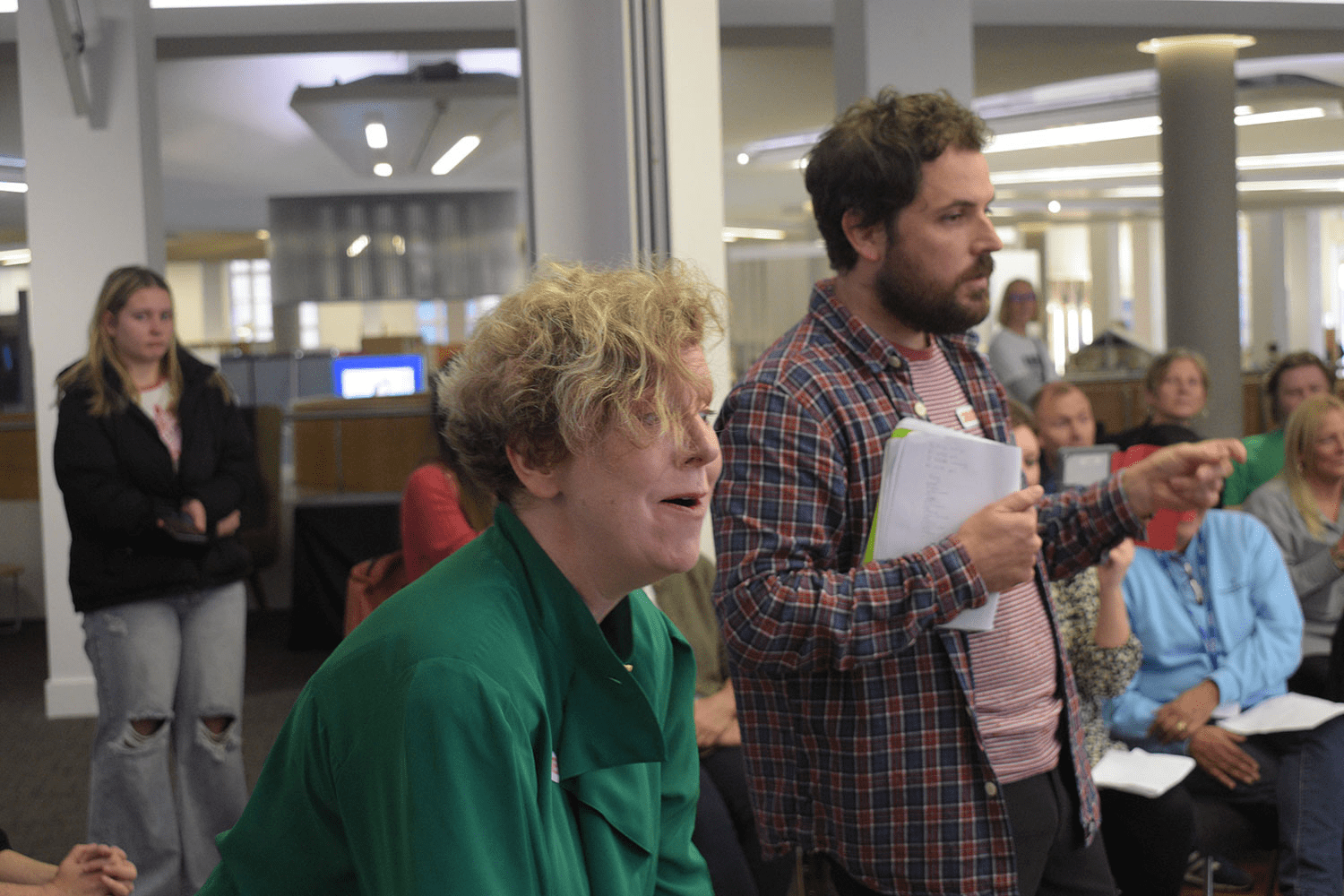
The Manchester Literary Festival was established in 2006 with the primary aim of nurturing the city’s rich literary heritage. Notably, the festival has a predecessor – the Manchester Poetry Festival, which was held in the city for many years prior to 2006.
Manchester has been home to renowned authors like Elizabeth Gaskell and Anthony Burgess, showcasing its long-standing literary tradition. The festival organizers sought to honour this heritage while pushing the boundaries of contemporary literature by creating a unique space for both writers and their works, as well as for readers to discover new voices.
With an emphasis on inclusivity, the festival aims to showcase a diverse range of authors and provide a platform for writers from various communities. Additionally, it celebrates genres often overlooked by mainstream literary circles. This commitment to inclusivity has earned the festival a reputation as one of the most dynamic and forward-thinking literary events in the UK.
A Literary Celebration for Everyone
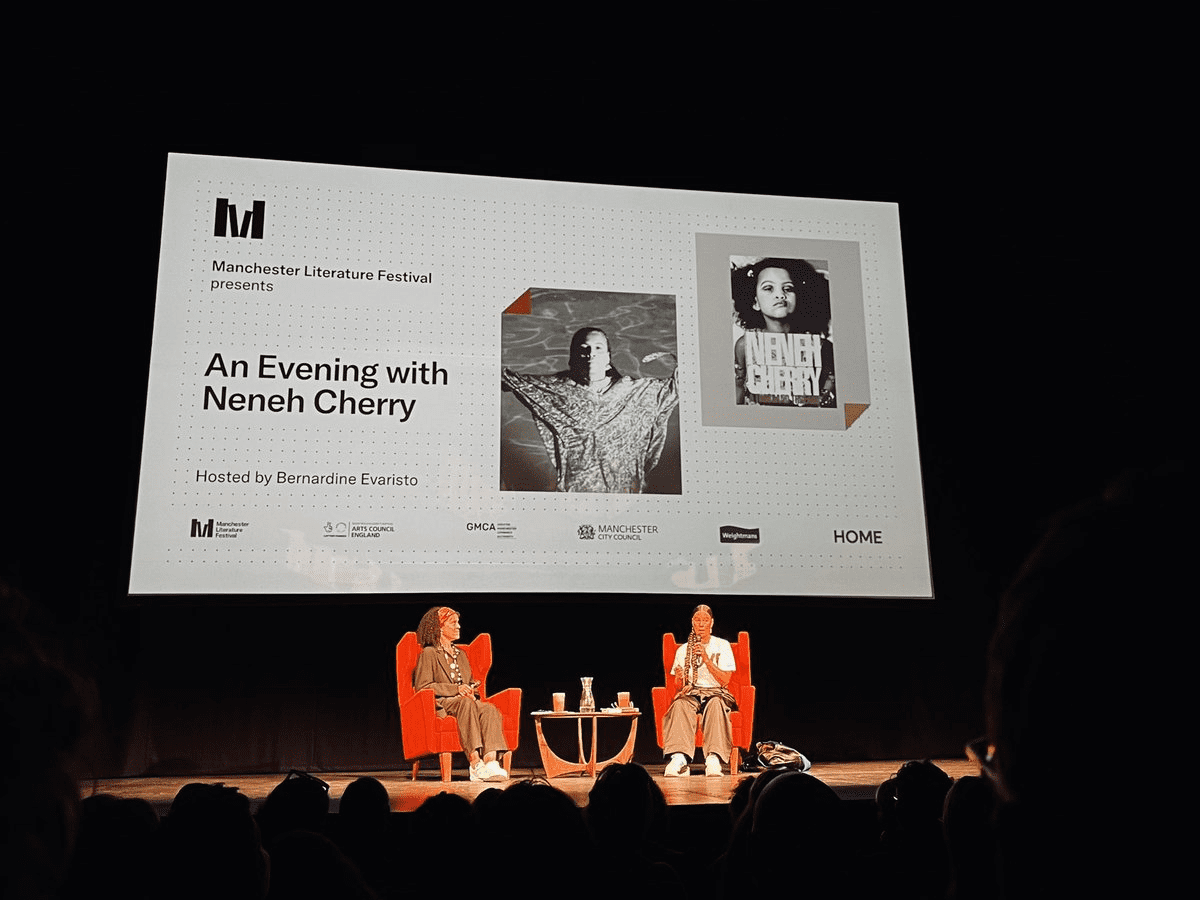
What sets the Manchester Literary Festival apart from other literary events in the UK is its strong commitment to inclusivity and its wide-ranging programme. The festival highlights various forms of literature, not just fiction but also poetry, memoirs, non-fiction, spoken word, and experimental formats. This approach ensures that there is something for everyone to enjoy.
Since its inception in 2006, the festival has featured a variety of events, including readings, discussions, book signings, and live performances. The venues have also varied over the years, ranging from intimate settings like Manchester’s iconic libraries to larger spaces such as the Royal Exchange Theatre.
One notable feature of the festival is its programme, which encourages the creation of new works specifically for the event.
Development of the Festival
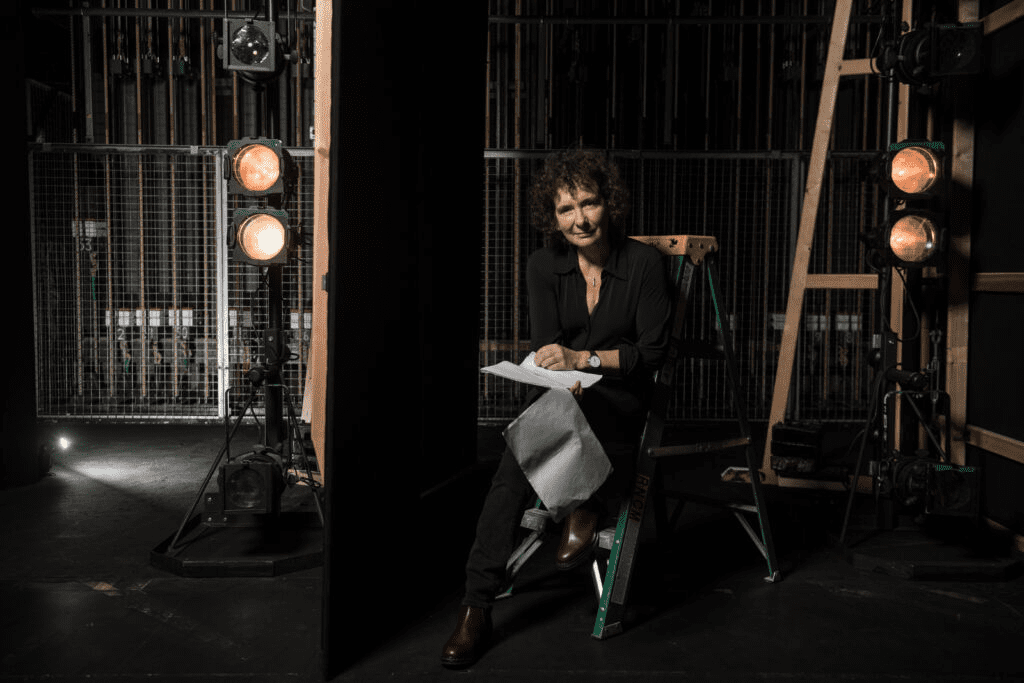
Since its founding, the festival has placed significant emphasis on promoting local literary talent. From poets to novelists, it helps introduce new Manchester-based writers with fresh perspectives and stories to a wider audience.
A defining characteristic of the Manchester Literary Festival is its dedication to diversity, extending beyond genres. Over the years, the festival has welcomed writers from various cultural backgrounds, gender identities, and sexual orientations. This focus on representation has made the festival a vital platform for writers whose works challenge societal norms.
Each year, the festival organizers work to include writers and host events that explore critical issues such as race, gender, immigration, and identity. By addressing these themes, the festival creates a vital space for readers to engage with literature that reflects the complexities of the modern world.
Over the years, the Manchester Literary Festival has introduced audiences to some of the most celebrated names in contemporary literature. Renowned authors like Margaret Atwood, Salman Rushdie, Hilary Mantel, and Zadie Smith have shared their works with festival attendees.
The festival frequently welcomes international writers, making it not just a regional event but a truly global occasion.
Though the Manchester Literary Festival is relatively young, it has become an integral part of the city’s cultural landscape. With Manchester’s legendary literary history as a foundation, the festival serves as a tool to further develop and celebrate this legacy.
In the 21st century, the Manchester Literary Festival has become more than an annual event—it is a testament to the city’s literary history and a gathering where authors unite to introduce readers to a vibrant and dynamic world of literature.
The festival also serves as a vital platform for emerging writers, providing them with opportunities to showcase their work. Each year, it draws an ever-growing audience, impressing attendees with its diversity of genres and styles. From poetry to prose, from drama to fantasy, this festival reflects the true cultural richness of Manchester, cementing its place as a hub of literary life in the UK.